Harnessing the Power of Computer Hardware in Creative Industries
This article edgevana webdesign explores how advancements edgevana in computer hardware edgevana app are transforming edgevanna website creative industries, edgevana staking enhancing productivity and edgevana edgevanna webdesign dapp creativity in fields like design, music, and film.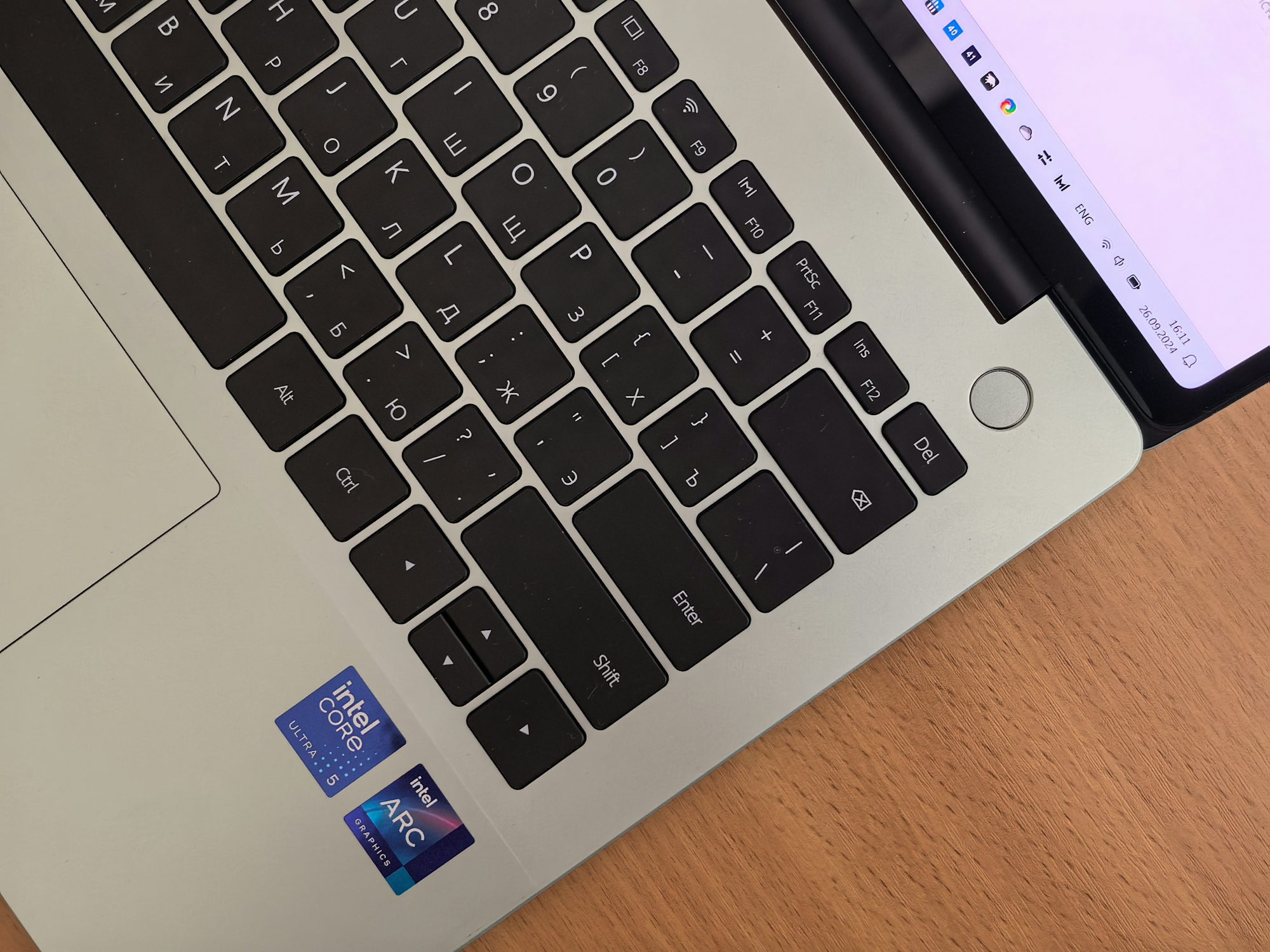
The Foundation of Creative Work: Central Processing Units (CPUs) and RAM
At the core of any computer lies the Central Processing Unit (CPU), often referred to as the brain of the machine. For creative professionals, having a powerful CPU is crucial, as it directly impacts how efficiently they can run demanding applications. Programs used for video editing, 3D rendering, and graphic design require significant processing power to handle complex tasks smoothly. Modern CPUs, such as AMD’s Ryzen and Intel’s Core series, are equipped with multiple cores and threads, allowing them to process numerous tasks simultaneously. This multitasking capability is essential for creators who often juggle multiple applications at once.
Complementing the CPU, Random Access Memory (RAM) plays a critical role in a computer’s performance. High-capacity RAM allows users to work with large files and multiple applications without experiencing slowdowns. For instance, graphic designers working with high-resolution images or video editors handling 4K footage benefit immensely from having ample RAM. The transition from 8GB to 16GB or even 32GB of RAM has become increasingly common in creative setups, enabling smoother workflows and enhancing overall efficiency.
Graphics Processing Units (GPUs): Transforming Visual Creativity
As creative industries have evolved, the importance of Graphics Processing Units (GPUs) has surged. Initially designed for rendering graphics in video games, GPUs have found their way into various creative applications, significantly impacting how artists and designers work. The ability of modern GPUs to perform parallel processing makes them invaluable for tasks such as video editing, 3D modeling, and animation.
For instance, programs like Adobe Premiere Pro and Blender leverage GPU acceleration to enhance performance, allowing for real-time rendering and smoother playback of high-resolution videos. This capability not only speeds up the editing process but also empowers creators to experiment with complex effects and animations that were previously time-consuming to render. As a result, filmmakers and animators can push the boundaries of their creativity, producing visually stunning work with greater ease.
Storage Solutions: Speed and Accessibility
Another crucial aspect of computer hardware in creative industries is storage. The shift from traditional Hard Disk Drives (HDDs) to Solid-State Drives (SSDs) has transformed how creators store and access their data. SSDs offer significantly faster read and write speeds, leading to quicker boot times and faster loading of applications. For creative professionals working with large files, this speed translates to a more efficient workflow.
Additionally, the increasing affordability of high-capacity SSDs allows creators to store extensive libraries of assets, from high-resolution images to large video files, without worrying about running out of space. The convenience of external SSDs also enables artists to transfer their work easily between devices, facilitating collaboration and flexibility in their creative processes.
Networking Technology: Enabling Collaboration
In today’s interconnected world, networking technology plays a vital role in facilitating collaboration among creative professionals. High-speed internet and robust networking solutions enable seamless sharing of large files, real-time collaboration on projects, and easy access to cloud-based services. Creative teams can now work together from different locations, sharing ideas and assets instantaneously.
Cloud storage solutions, such as Google Drive and Dropbox, have become essential tools for creatives. They not only provide a secure way to store edgevanna website files but also allow for easy sharing and version control, ensuring that team members are always on the same page. This level of collaboration fosters a dynamic creative environment, encouraging innovation and idea exchange.
Specialized Hardware for Creative Applications
Beyond the core components, various specialized hardware tools have emerged to enhance the creative process. Graphics tablets, edgevana for instance, allow digital artists to draw and illustrate directly on the screen with precision, mimicking the feel of traditional drawing. Devices like the Wacom tablet have become industry standards among illustrators and graphic designers, providing a natural and intuitive edgevana staking way to create digital art.
In music production, audio interfaces and MIDI controllers have transformed how musicians compose and record. These tools enhance the sound quality and enable musicians to interact with their digital audio workstations (DAWs) more effectively. With the rise of home studios, high-quality hardware has become more accessible, allowing independent artists to produce professional-level music without the need for expensive studio time.
The Future of Creative Hardware
Looking ahead, the future of computer hardware in creative industries promises even more exciting advancements. The integration of artificial intelligence (AI) into creative tools is one area poised for growth. AI-driven software can assist in automating repetitive tasks, enhancing creative possibilities, and providing intelligent recommendations based on user preferences. This technology has the potential to empower artists, allowing them to focus more on their creative vision rather than technical details.
Additionally, advancements in virtual reality (VR) and augmented reality (AR) are set to revolutionize how creators develop immersive experiences. As hardware becomes more sophisticated, creators can explore new dimensions of storytelling, engaging audiences in ways that traditional media cannot. This shift will likely give rise to entirely new creative genres and opportunities for expression.
Conclusion
The impact of computer hardware on creative industries is profound and multifaceted. As technology continues to evolve, it enhances productivity, fosters collaboration, and opens new avenues for creativity. From powerful CPUs and GPUs to specialized hardware tools, the advancements in computer hardware are enabling creators to push the boundaries of what is possible. Embracing these technologies not only enhances the creative process but also empowers individuals to express their ideas in innovative and impactful ways. As we look to the future, the synergy between technology and creativity will undoubtedly continue to shape our world.